Studio Notes · 18 September 2026
A content library needs context, not just more photographs
An archive becomes useful when the next person can explain what an image shows, what it can support and what still needs confirming. That is an editorial task, not simply a filing task.
By María José Ospina · 5 min read
In this article
A folder can be full of attractive photographs and still be difficult to publish from. The problem is not necessarily image quality. It is the distance between what the camera recorded and what the next person wants the caption to say.
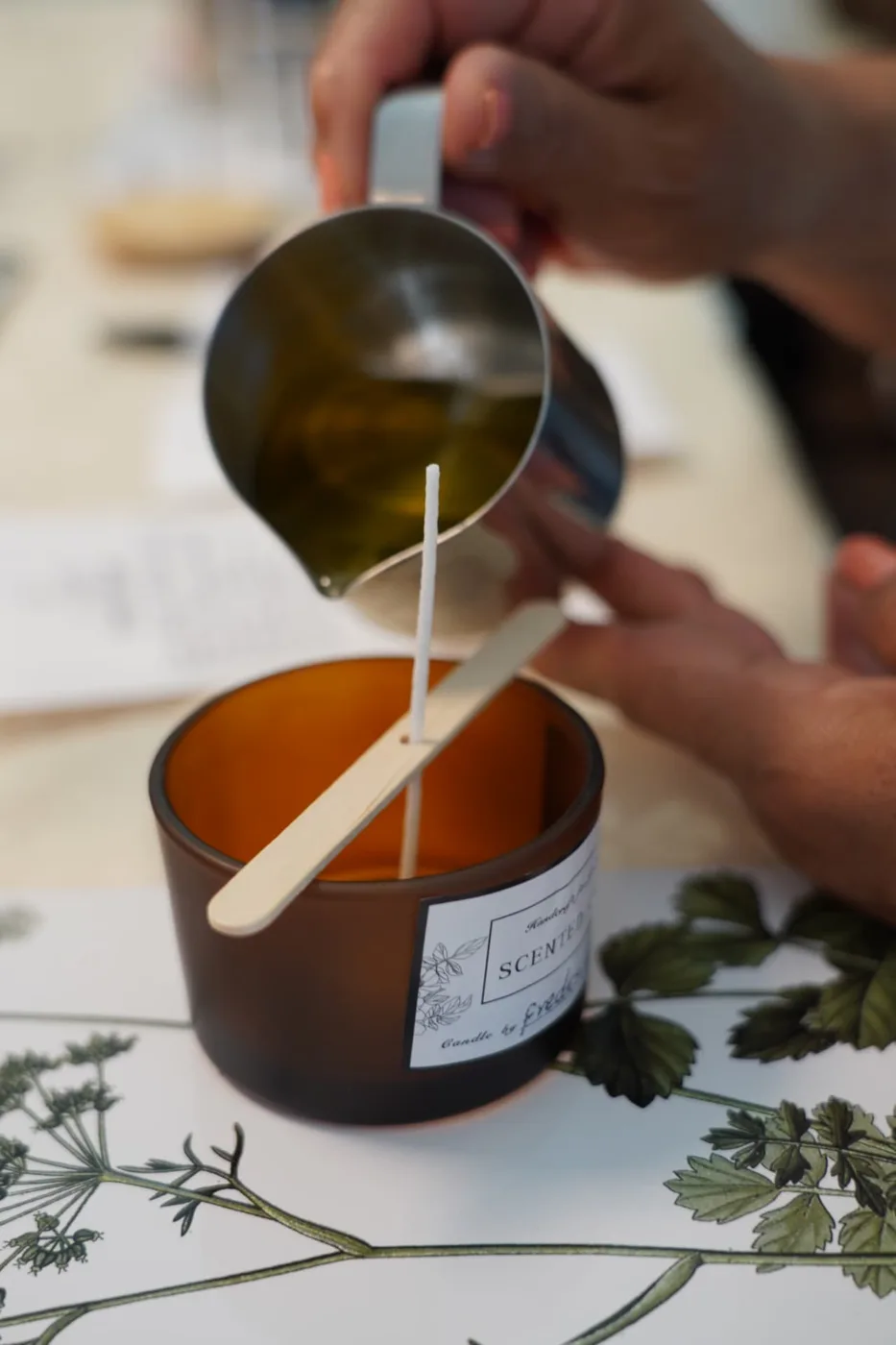
A person holding a microphone might be teaching, interviewing or introducing somebody else. A candle-making photograph can show a process without establishing when the workshop happened, who attended or what anyone learned. Those missing details are not decorative extras. They determine which story the image can honestly support.
For a small business, the useful question is therefore not simply how much content sits in the archive. It is how much of that archive another person could use accurately without reconstructing the event from memory.
A photograph and a story are different kinds of information
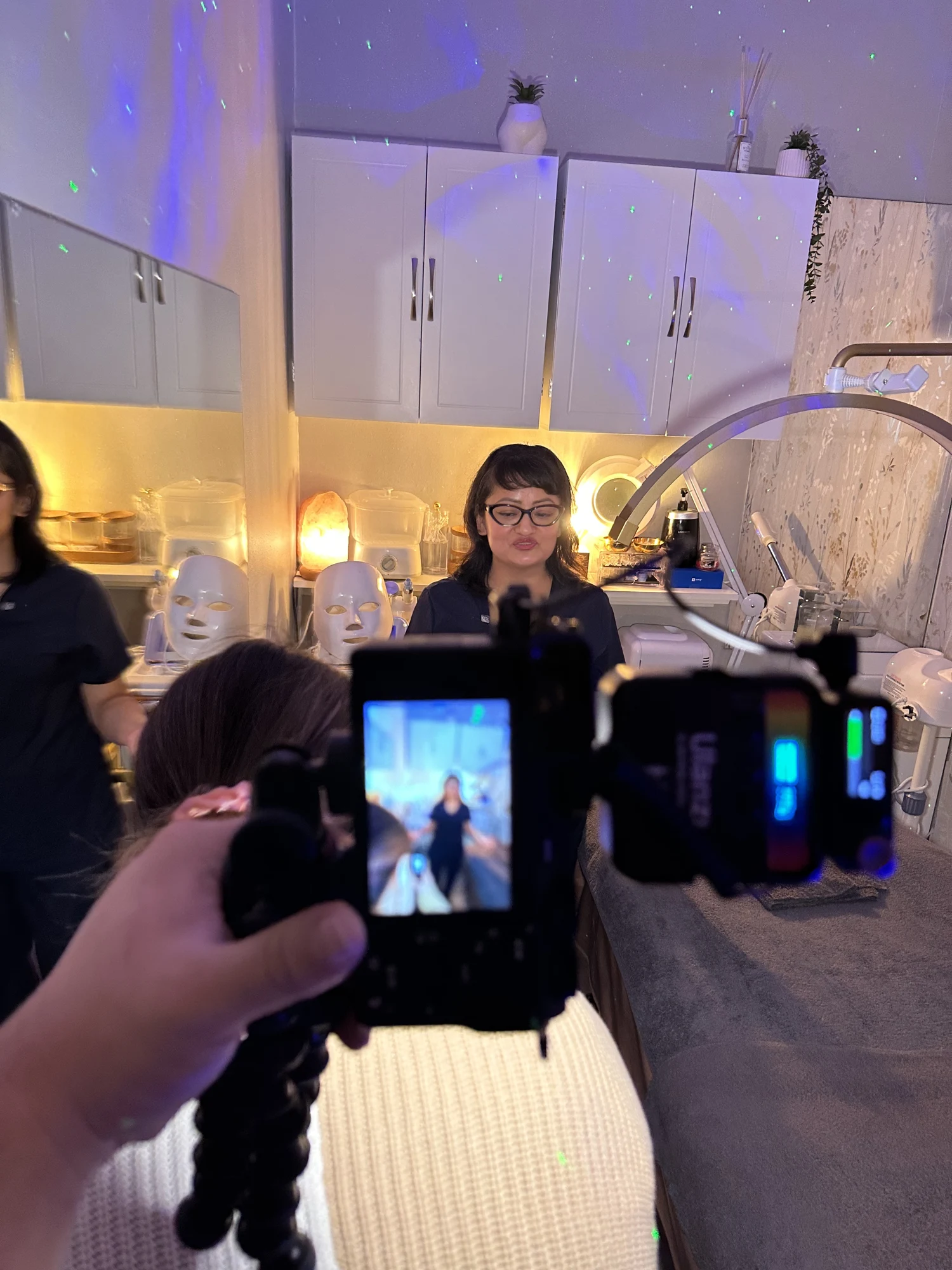
Our published portfolio contains several kinds of visual material. The Lumara Botanic case includes founder and candle-making imagery alongside website and brand work. Clear Your Mind Studio includes a behind-the-scenes photograph of filming in a treatment room. These are documented examples of the material in our work, not a report of this week's activity.
Each image has a useful but bounded role. The candle-making image can help explain a making process. It does not establish that a particular workshop sold out. The filming photograph can show the environment around a recording. It cannot tell a viewer what the speaker said or prove a treatment outcome.
That distinction matters because the words beside an image can quietly turn it into evidence for something else. A photograph used as an illustration is legitimate when that role is clear. A caption that presents it as proof of an undocumented result creates a different claim.
Preserve the facts before polishing the language
There is an established discipline behind this apparently small task. The IPTC Photo Metadata Standard defines fields for information about people, locations and products in photographs, as well as creation details and rights. Its value here is not that every small studio needs an elaborate archive system. It is that the description and provenance deserve a place alongside the file.
A practical starting point is a short record attached to each selected image: who or what is shown; the event or activity; the capture date if known; the source and permitted uses; and the person who can resolve uncertainties. A separate note can hold the proposed editorial angle.
Keep those two layers separate. “Founder seated beside a microphone” is an observation. “The conversation changed how I think about leadership” is a personal account that only the founder can provide. A polished sentence does not make the second statement inferable from the first.
Unknown information should stay visibly unknown. An upload date is not automatically a capture date. A folder label is a useful lead, not confirmation of every event detail.
Relevance comes before visual consistency
A beautifully consistent feed can still say very little if the same team photograph accompanies every topic. A useful image should do a specific job: show the process under discussion, introduce the person whose account follows, or demonstrate the work being analysed.
This does not mean every photograph must document a measurable result. Portraits, atmosphere and illustration all have a place. The editorial choice is to make that place explicit, rather than imply that a general photograph records a particular project or recent event.
Accessibility offers another useful test. W3C's guidance on informative images, updated on 17 June 2019, says the text alternative should communicate the information the image conveys; the reason for including it matters. If it is difficult to explain what the photograph contributes to this article, its relevance may need another look. Alt text is not a space for inventing a story the image does not show.
Review the pairing, not two separate assets
Approving a photograph and approving a caption independently can miss the implication created when they appear together. The final review should therefore show the exact image, full text, intended account and proposed timing.
For a founder's personal post, add the founder's own explanation before writing in the first person. What was happening? Which detail mattered to them? What, if anything, did they learn? Those answers may produce a more specific post, or reveal that the image belongs with a different subject.
The same principle applies to client work. A team member should be able to identify which statements come from the image, which come from a confirmed account and which are the writer's analysis.
Make the system proportionate
There is a real trade-off: documenting every frame in a large archive can become work that never reaches publication. Start with the images selected for the next piece, rather than cataloguing everything before doing anything.
A small context note will not guarantee engagement, and metadata alone does not establish permission or accuracy. Its purpose is narrower: to make the source of a claim easier to check and the next editorial decision easier to explain.
Before commissioning another shoot, choose a few images already in the archive. Record what is known, identify what needs confirming and review each alongside its proposed use. The valuable addition may not be another photograph. It may be the missing context that lets an existing one tell the right story.
Sources
Related work
0 likes
0 comments
Working on something this applies to? Tell us.
Start a project